
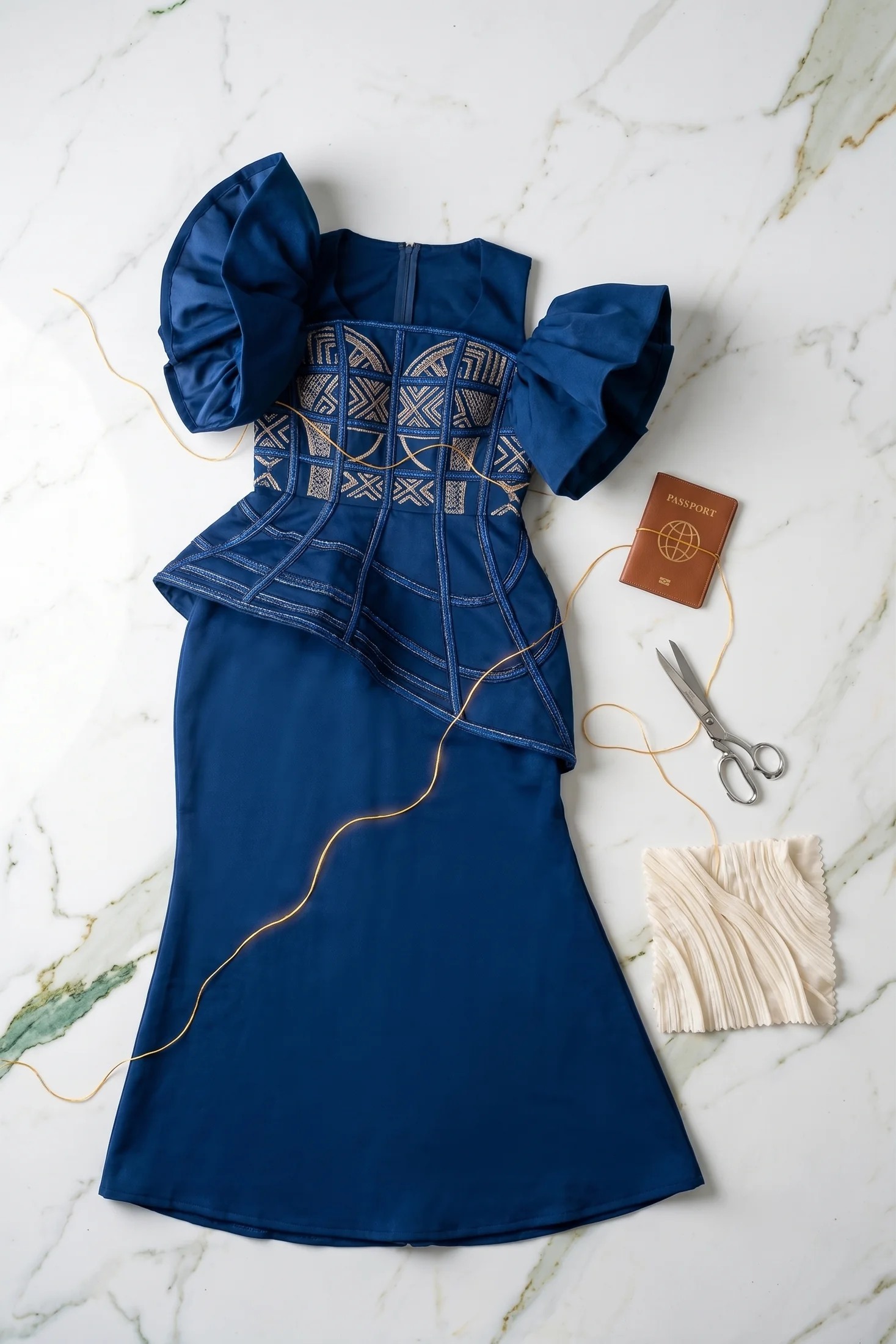
Kolo Lab
Where the garment becomes Kolo.
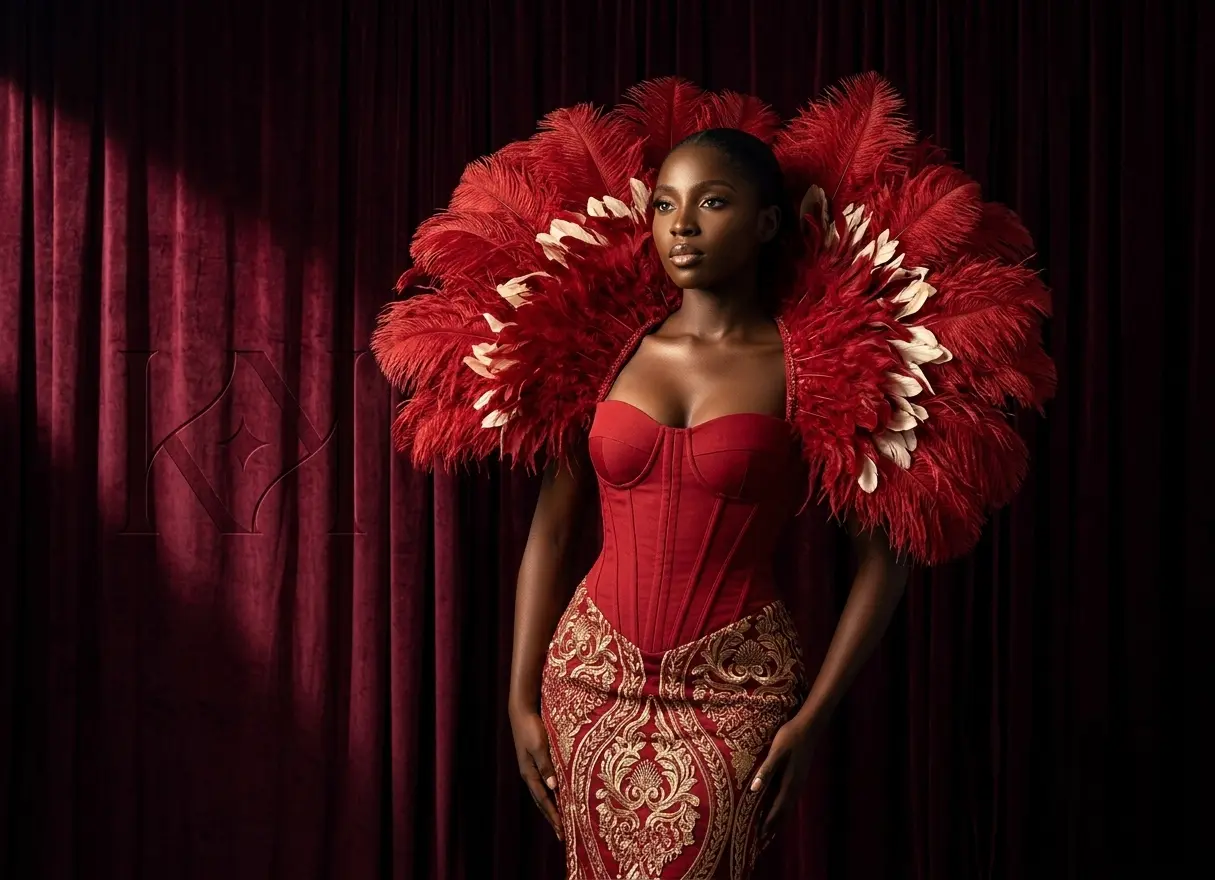
Every Kolo piece moves through a considered process of design, material selection, construction, fitting and refinement. Some pieces are defined by embroidery. Others by cut, structure, fabric, proportion or restraint. What connects them is the Kolo standard: intention in every detail.
The Making
More than one technique. One standard.
Every garment has its own requirements. Some are defined by a sculptural silhouette. Others by construction, fabric, proportion, handwork or restraint. There is no single formula for a Kolo garment. What remains constant is the intention behind it.
The Craft
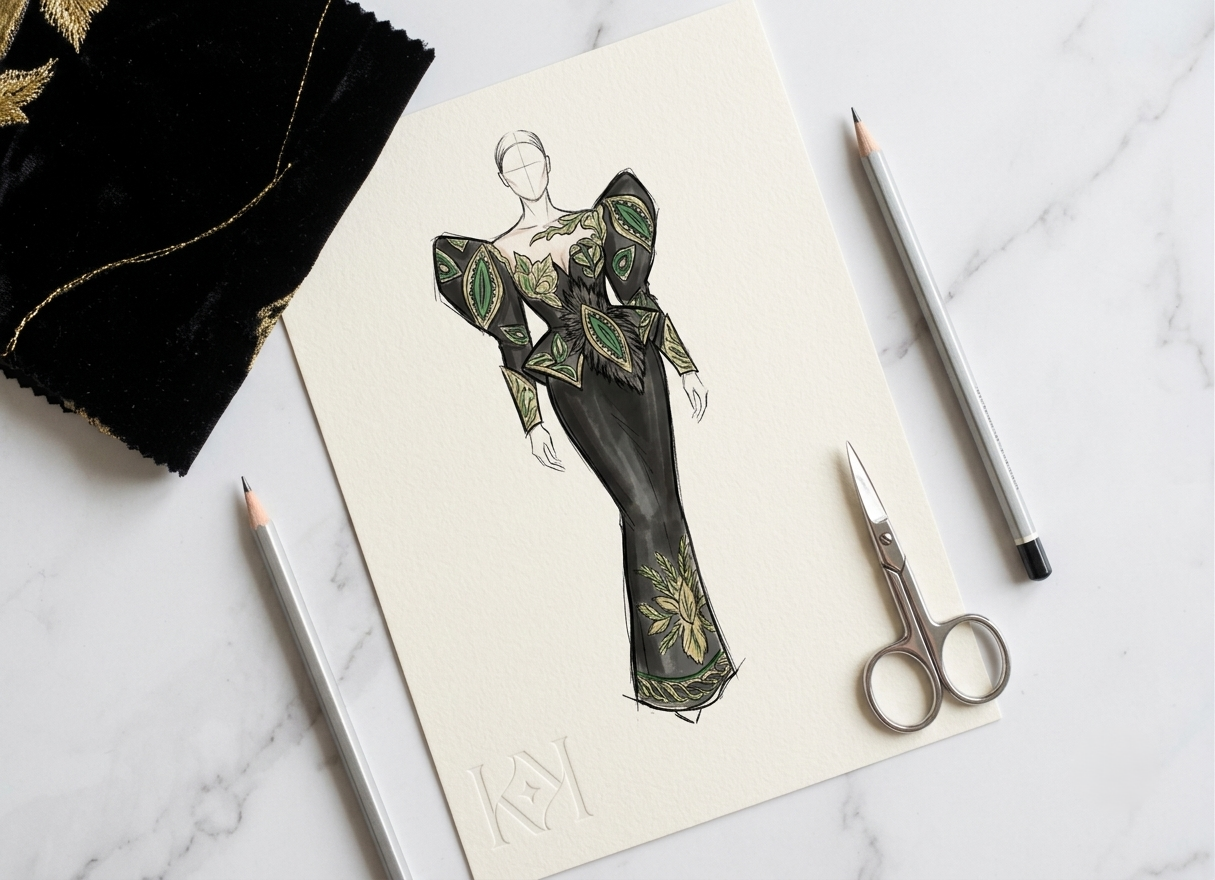
Design
Every piece begins with a direction, an idea, a woman, an occasion, a silhouette.
Pattern & Cut
The idea becomes a pattern. Fabric is considered, measured and cut with the intended shape and proportion in mind.
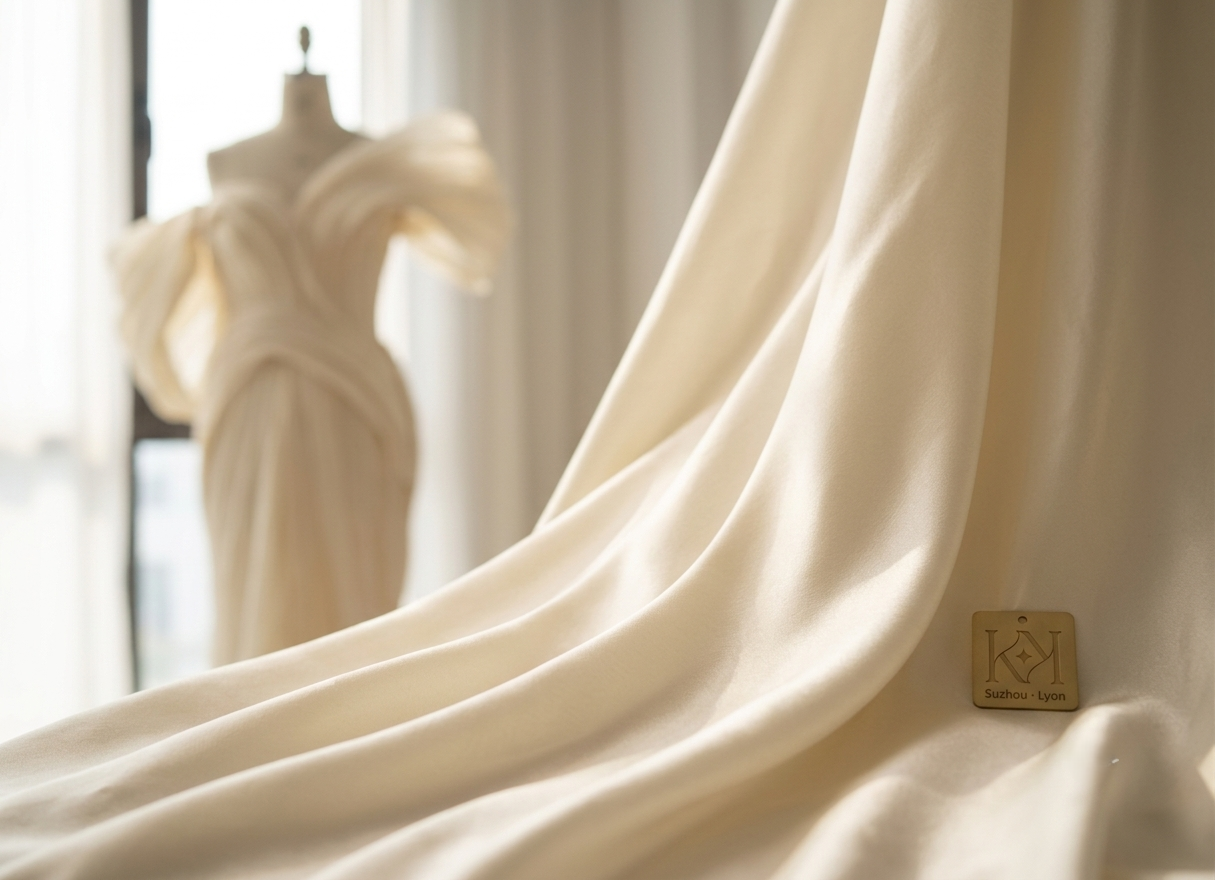
Construction
This is where the garment begins to become real. Pieces are joined, shaped and sewn into a functioning garment.
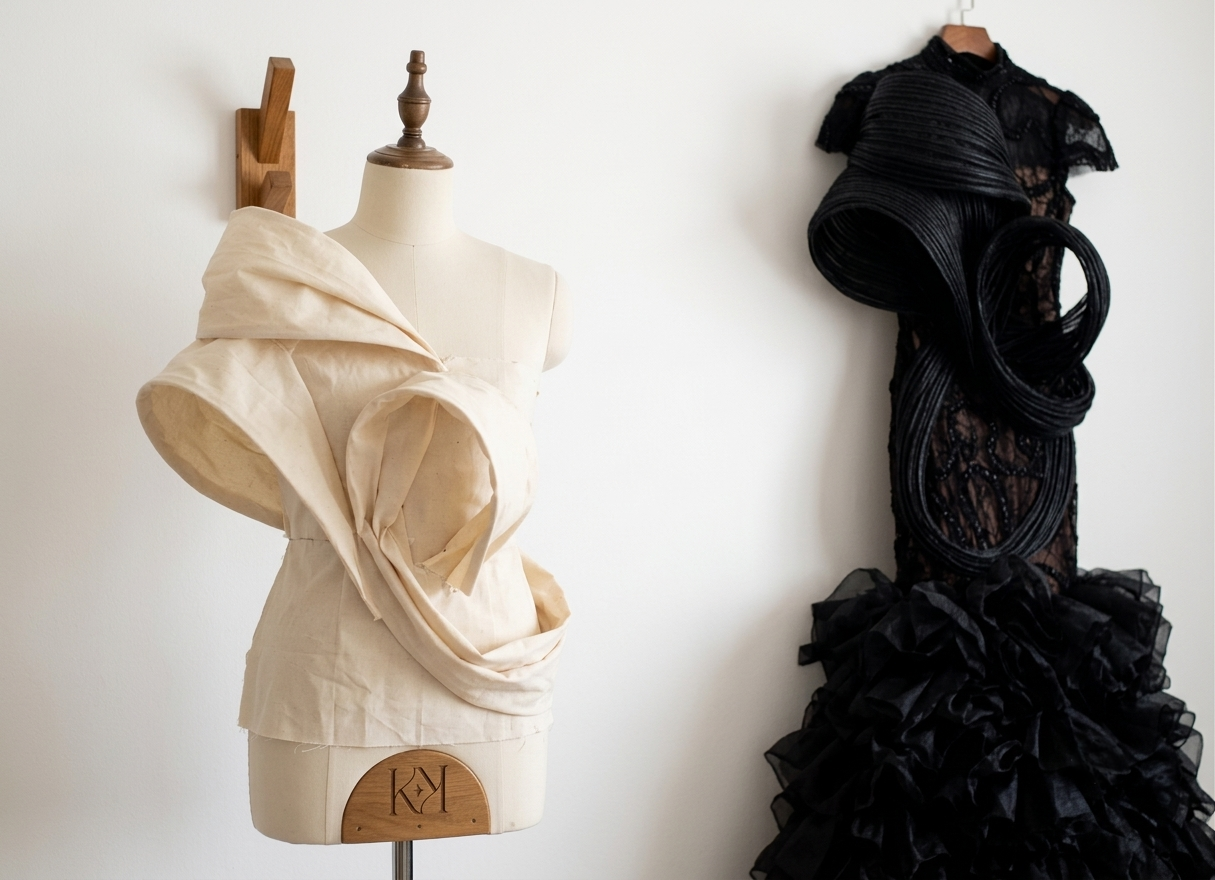
Structure
Where required, internal construction is developed to support the silhouette, movement and fit.
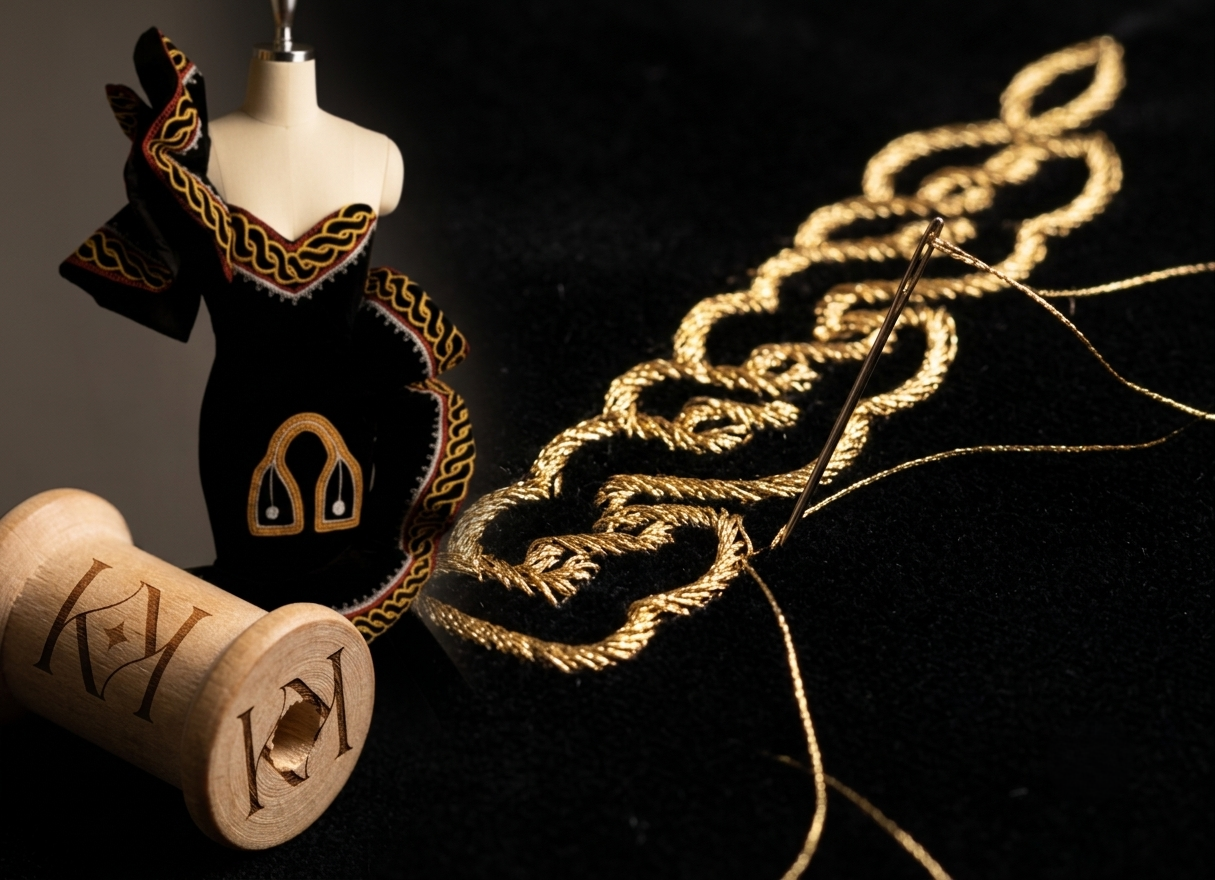
Handwork
Embroidery, embellishment, appliqué and other hand techniques are introduced where the design calls for them.
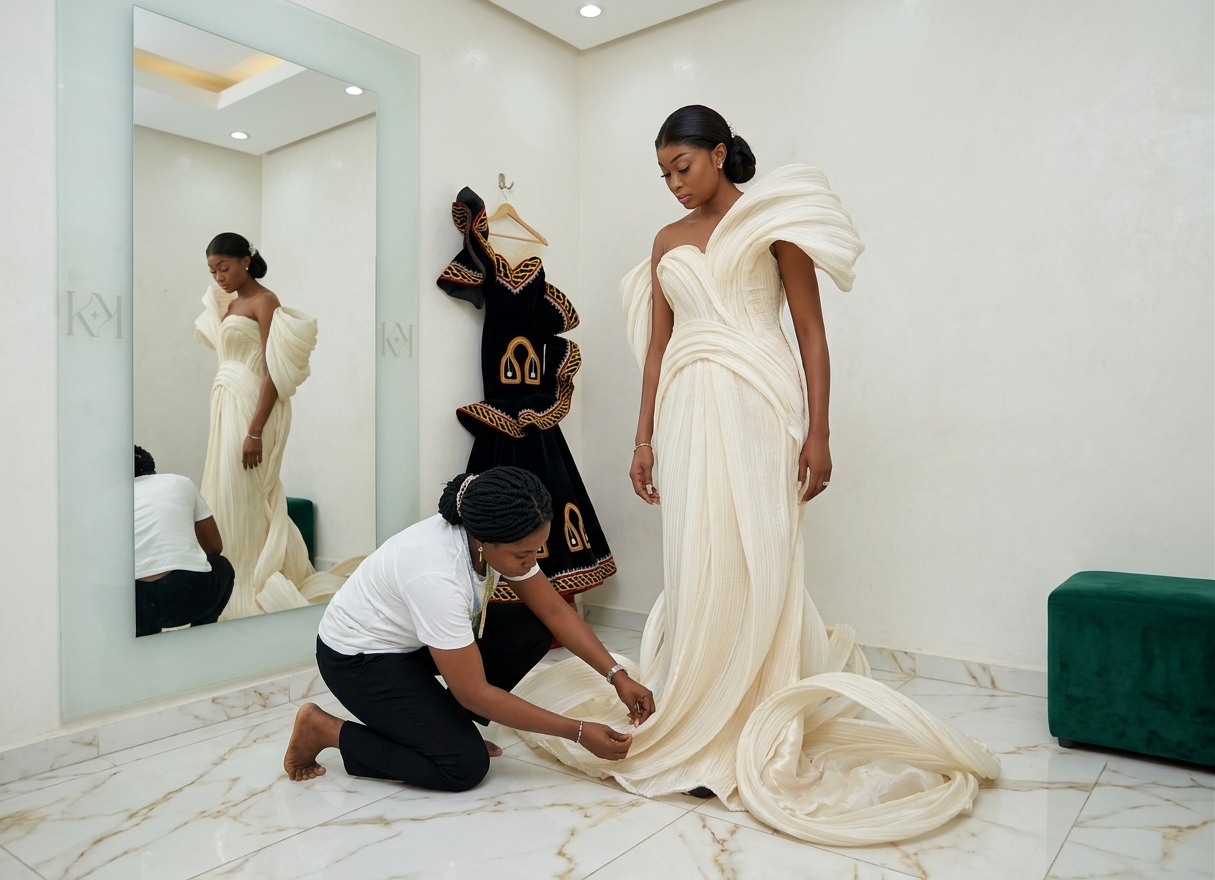
Fitting
The garment is assessed on the woman, not simply on a mannequin. Proportion, movement and comfort are considered together.
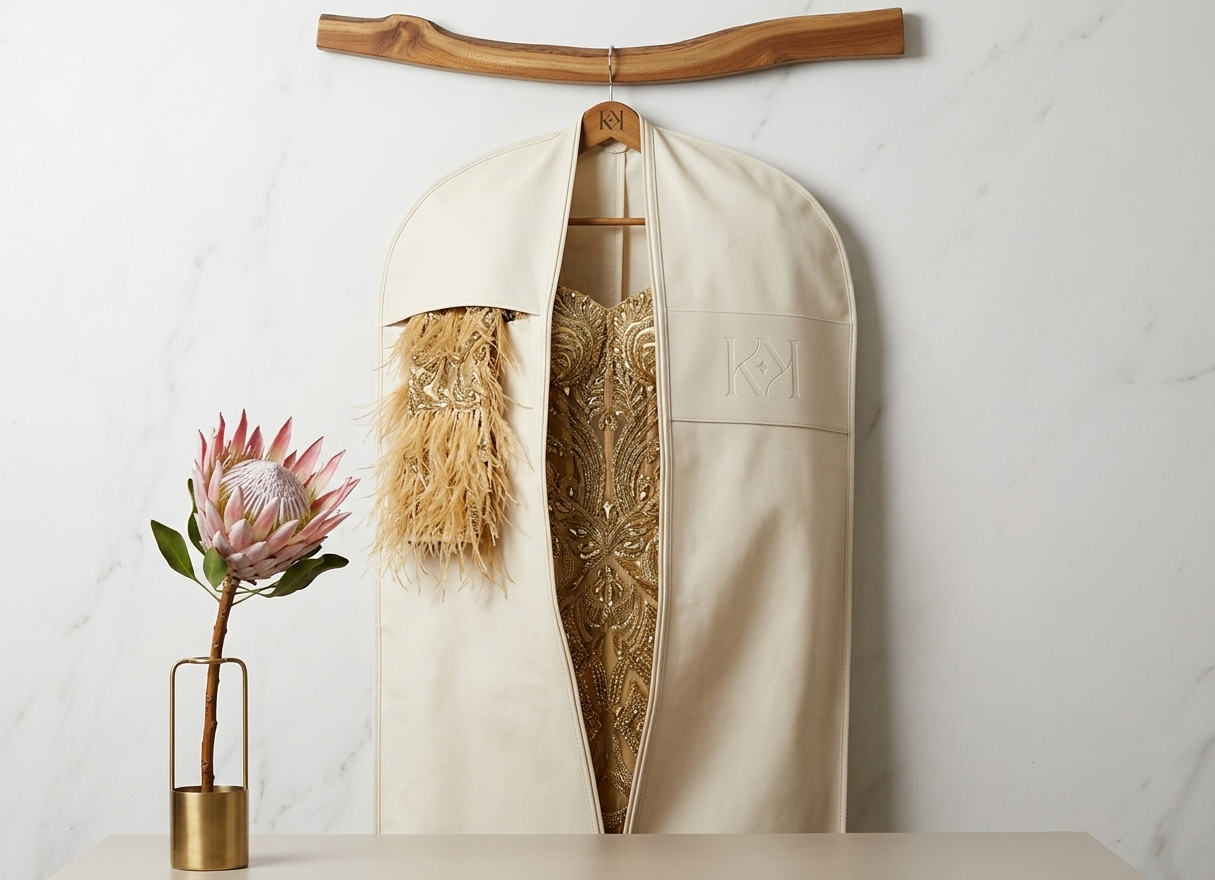
Finishing
Details are refined, the garment is inspected and the final presentation is brought to the Kolo standard.
Three categories
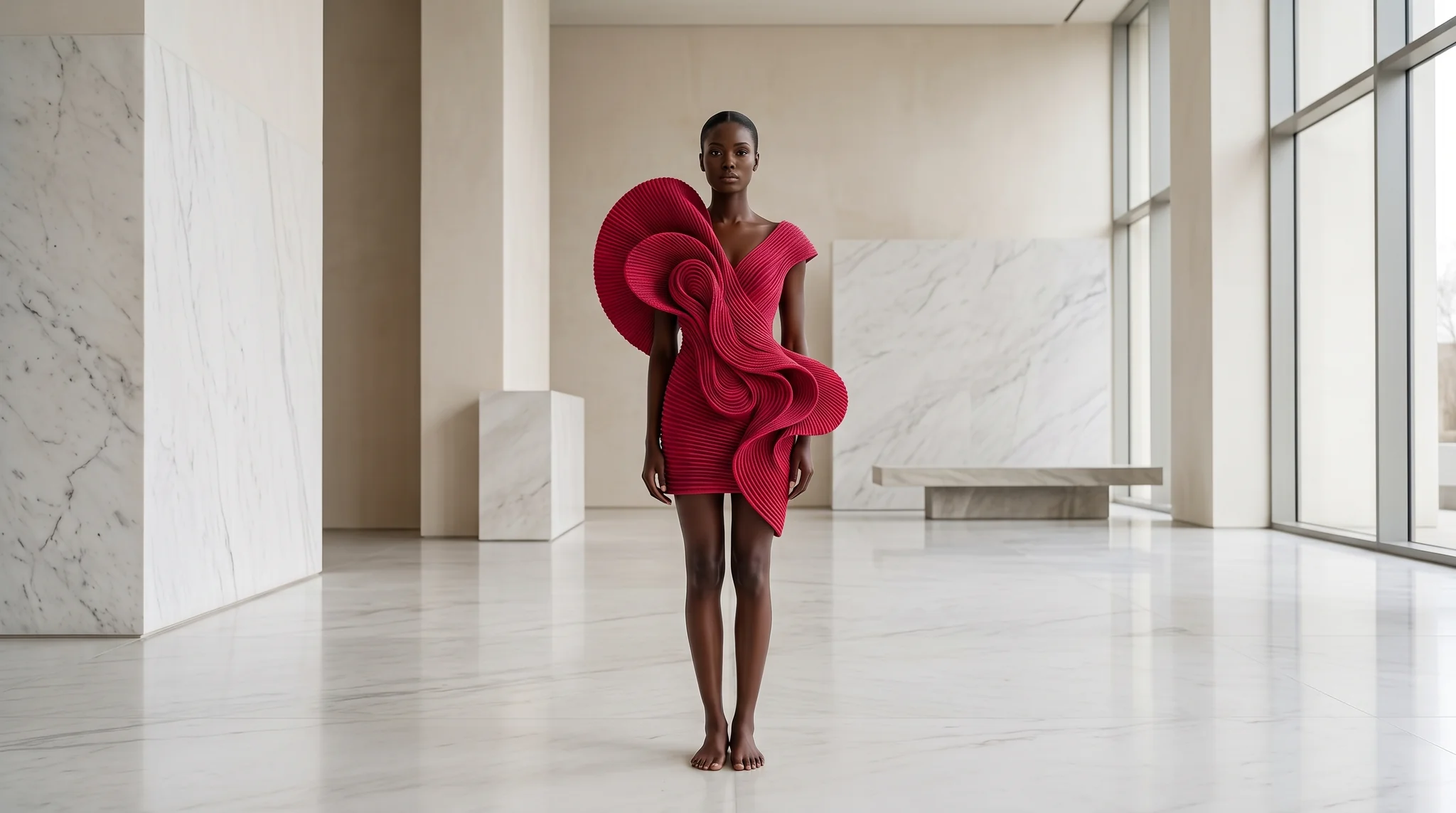
Everything we do is offered in three categories; The Essential, Sovereign and Ceremonial. They apply to every service below.
The Kolo Standard
What makes it Kolo?
Scroll sideways through the standard.
The Silhouette
The garment must hold the shape it was designed to create.
The Construction
The garment must be properly built.
The Fit
The garment must work with the woman wearing it.
The Finish
Every visible detail must feel resolved.
The Presence
And ultimately, the garment must make her feel like herself, only more unmistakably so.
The Fitting Ritual
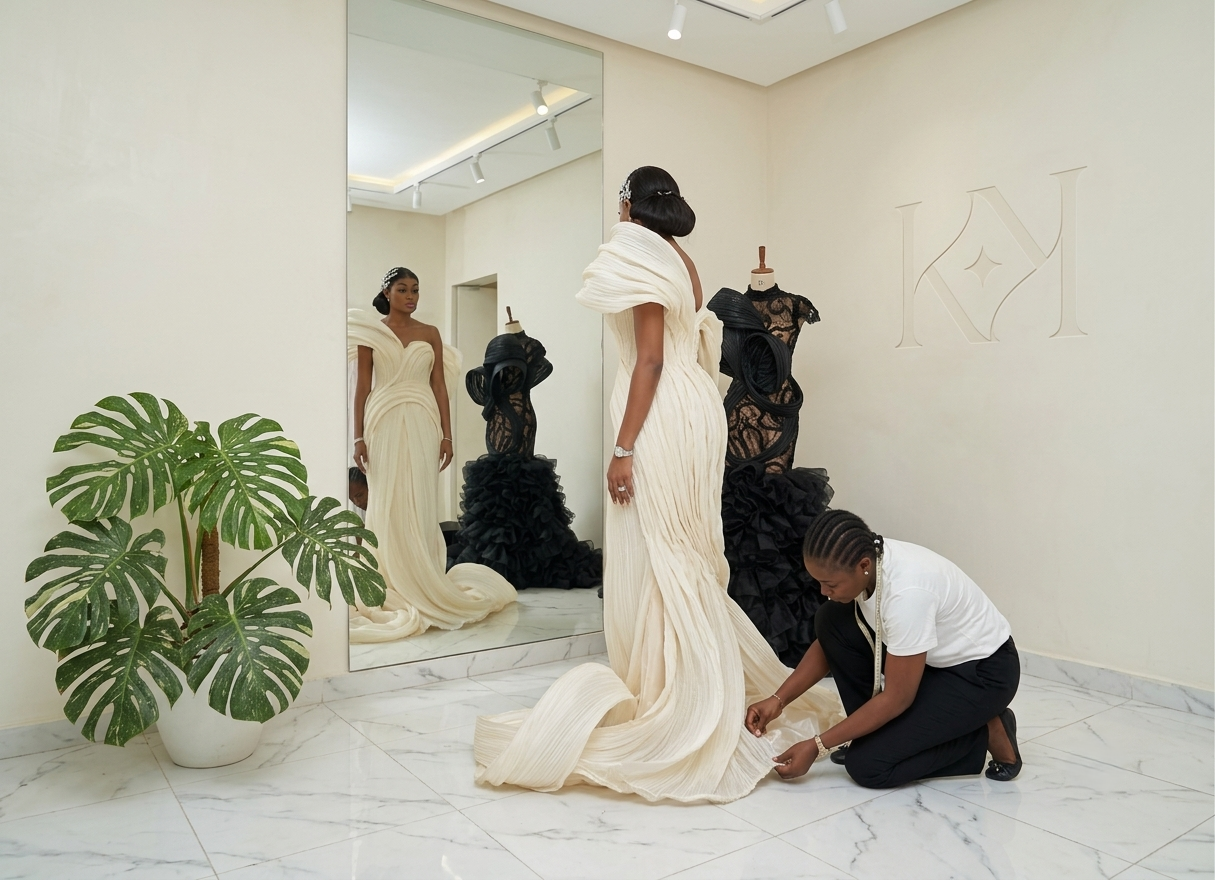
The garment learns the woman.
No mirrors for the first twenty minutes. She stands, she walks, she sits, she is pinned. Only then does she look ; and by then the garment has already agreed with her.
Because the goal is never to make the woman fit the garment. The garment must learn her.
For Bridal
For a Kolo bride, the fitting process is part of the story. Every line, proportion and detail is refined around her body, her movement and the woman she wants to feel like when she walks down the aisle.
Discover Kolo Bridal
Flora & Light
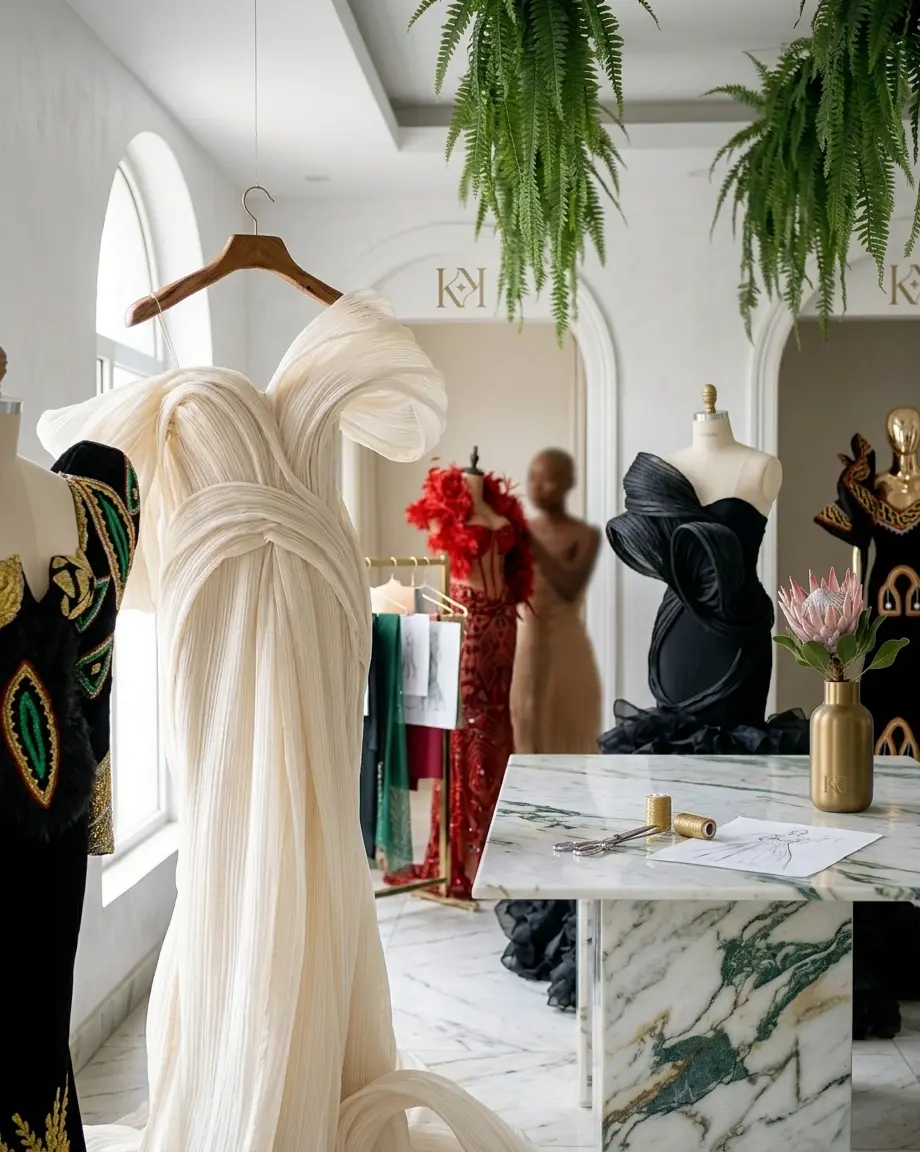
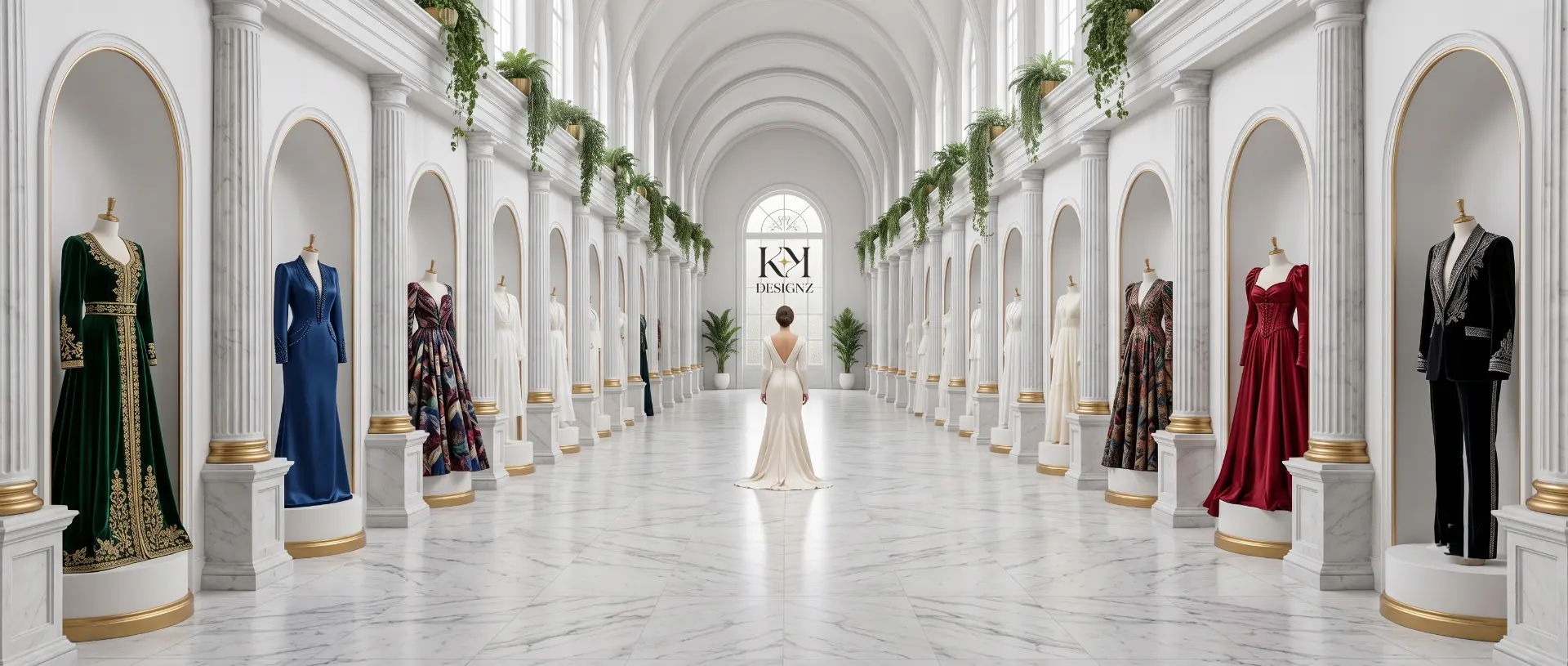
The atelier is a conservatory before it is a studio.
Every garment begins in the Kolo lab, in our minds. It is imagined and perfected before a single panel is cut. The conservatory keeps that intention alive.
The Detail
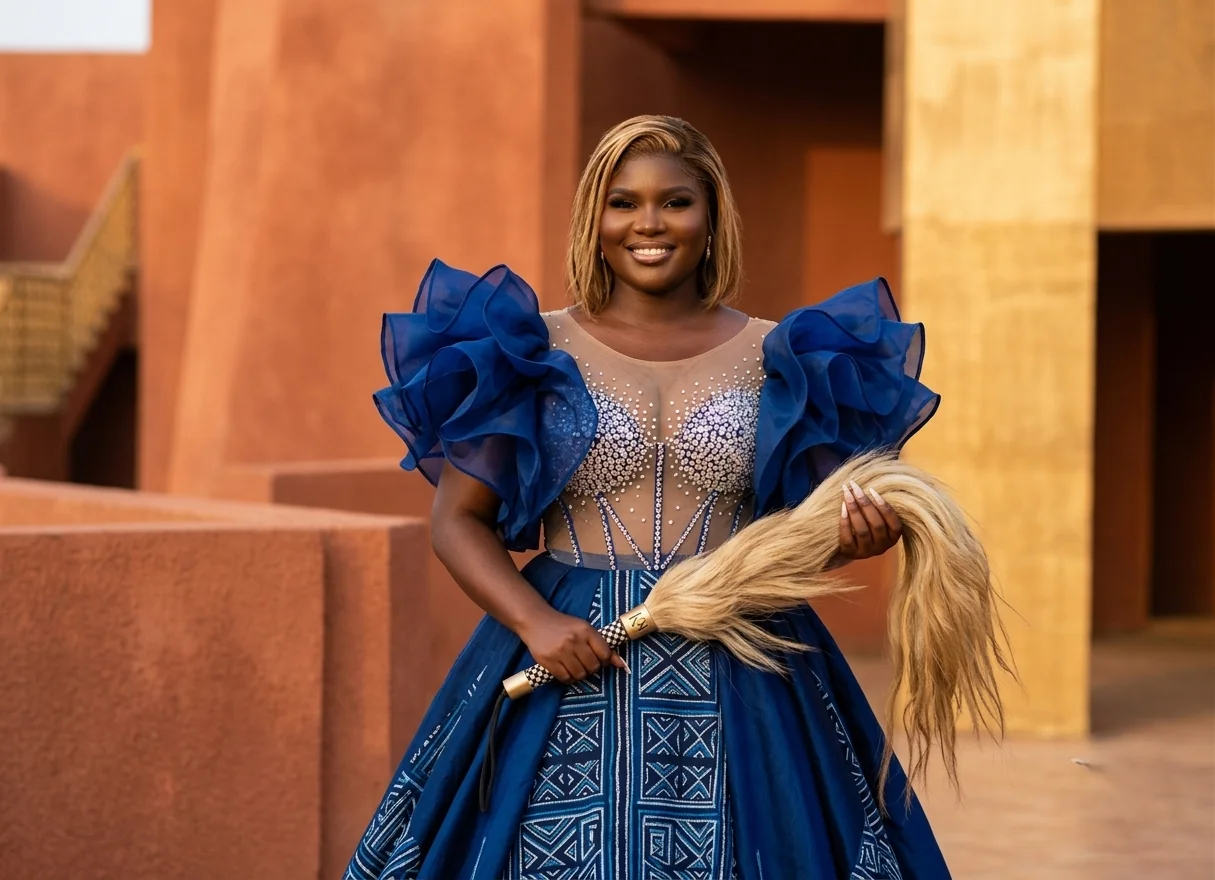
The difference is in the detail.
From the first sketch to the final fitting, every Kolo garment passes through hands that understand structure, fabric and the body.
This is where the vision becomes something you can wear.
From the hands to the woman
Kouture
The garment leaves the atelier only when it has learned the woman it was made for.
Discover Kouture